Introduction
Dysphagia, a problem identified by problem swallowing, has substantial effects for person security and quality of life. This article looks into the intricacies of dysphagia care and the crucial role that nurses play in handling this important problem. The Unlocking Knowledge: A Comprehensive Dysphagia Training Course for Nurses purposes to furnish health care experts with the expertise and skills essential to offer optimal care for people struggling with dysphagia. With a focus on evidence-based techniques, this training course addresses the intricacies of dysphagia management, guaranteeing that nurses can confidently sustain their patients.
Understanding Dysphagia: What Is It?
Defining Dysphagia
Dysphagia is not simply a medical term; it represents a serious challenge encountered by lots of patients throughout various healthcare setups. But what does it involve? Essentially, dysphagia refers to troubles in ingesting which can come from countless underlying reasons including neurological disorders, structural irregularities, or even certain medications.
Types of Dysphagia
Oropharyngeal Dysphagia: This type occurs when there are issues in the mouth or throat area impacting swallowing. Esophageal Dysphagia: Below, troubles occur within the esophagus itself, commonly as a result of blockages or mobility disorders.Symptoms and Dangers Related to Dysphagia
Patients may show various signs and symptoms such as coughing throughout meals, choking sensations, or regurgitation. The threats related to unattended dysphagia are serious and consist of malnutrition, dehydration, and goal pneumonia.
The Importance of Dysphagia Training for Carers
Why Carers Required Specialized Training
Training in dysphagia is not simply beneficial-- it's essential. For carers working together with people with this problem, having specialized understanding can significantly improve client outcomes.
Key Components of Efficient Dysphagia Training for Treatment Staff
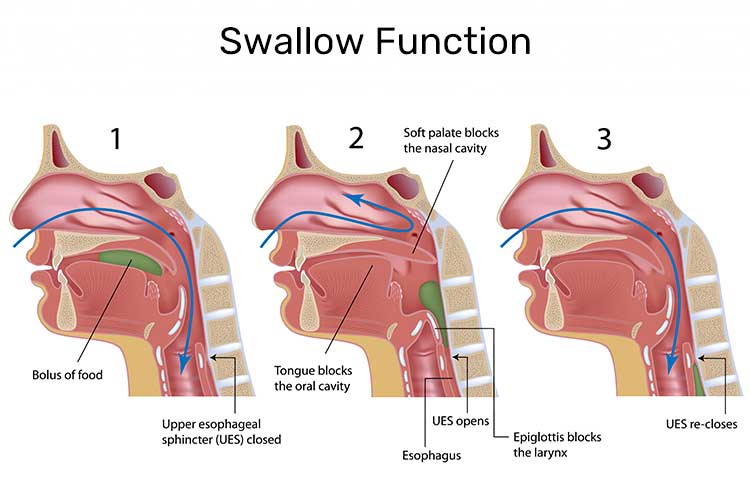
- Understanding makeup and physiology pertaining to swallowing. Learning regarding common reasons and symptoms. Practicing risk-free feeding techniques. Recognizing signs of aspiration.
Unlocking Experience: A Comprehensive Dysphagia Training Course for Nurses
Course Objectives
dysphagia training for nursesThe key goal of this comprehensive training program is to ensure registered nurses are well-prepared to identify and take care of dysphagic individuals efficiently.
Course Curriculum Overview
Introduction to Swallowing Mechanisms Patient Analysis Techniques Nutritional Considerations Safe Feeding Strategies Emergency Action ProtocolsDysphagia Care Training: Vital Abilities for Health Care Professionals
Assessment Methods in Dysphagia Management
Accurate analyses are important in identifying dysphagic signs and symptoms beforehand. Educating guarantees that nurses can conduct extensive examinations making use of standardized methods.
Implementing Safe Feeding Strategies
Effective feeding approaches can considerably decrease the risk of issues connected with dysphagia. This section will certainly cover strategies like correct positioning and food appearance modifications.
Dysphagia Support Resources Available to Nurses
Collaboration with Speech-Language Pathologists (SLPs)
Understanding when to refer individuals to SLPs is crucial in offering detailed care for those with swallowing difficulties.
Utilizing Neighborhood Resources for Recurring Support
Nurses are urged to familiarize themselves with neighborhood sources that supply ongoing assistance for both themselves and their clients managing dysphagia.
The Duty of Innovation in Dysphagia Training Courses
Innovative Knowing Devices for Boosted Understanding
The application of technology such as simulation training help can enhance finding out experiences significantly.
Online vs In-Person Training Options
Both layouts have their advantages; nonetheless, on-line courses could supply even more flexibility while in-person sessions supply hands-on experience.
Evaluating the Effectiveness of Dysphagia Training Courses
Feedback Systems Post-Training
Gathering comments from participants assists fine-tune program content constantly and makes certain relevance in real-world applications.
Long-Term Advantages of Continuous Education And Learning on Dysphagia Management
Continued specialist development cultivates self-confidence amongst nurses when resolving complex situations entailing dysphagic patients.
FAQs Concerning Dysphagia Training Courses
1. What is consisted of in a common dysphagia training course?
A common program usually covers analysis strategies, secure feeding techniques, dietary factors to consider, and emergency reaction procedures particularly tailored for nursing staff.
2. How long does a regular dysphagia training course take?


3. Exist any type of requirements required before enrolling?
Normally talking, standard nursing qualifications are needed; however, previous experience in geriatric or corrective care can be beneficial.
4. Just how do I locate respectable dysphagia training courses?
Study organizations understood for their nursing programs or consult expert nursing organizations that concentrate on continuing education possibilities related to ingesting disorders.
5. What qualifications do I receive after completion?
Upon successful completion of a comprehensive program, individuals usually get a certification suggesting their proficiency in managing patients with dysphasia effectively.
6. Can I apply what I've learned immediately after completing the course?
Absolutely! Most individuals discover they can implement brand-new methods right away throughout their daily method which improves client treatment promptly adhering to completion.
Conclusion
In final thought, the landscape bordering dysphasia management is progressing rapidly as more health care experts acknowledge its importance within patient treatment structures. The Unlocking Experience: A Comprehensive Dysphagia Training Course for Nurses stands apart as an essential source focused on promoting excellence among taking care of personnel dealing with this complicated concern. By equipping registered nurses with innovative expertise and practical abilities via specialized training programs concentrated on efficient evaluation methods and risk-free feeding techniques-- healthcare providers can dramatically improve results for people dealing with dyslexia-related challenges.